Loading your support space
Bringing the page into view.
Guiding Light is gathering resources, community updates, and the next best steps for this page.
Loading your support space
Guiding Light is gathering resources, community updates, and the next best steps for this page.
Global Voices
This page gathers a few official terms, community perspectives, and public stories from different countries so families and self-advocates can feel less alone, more connected, and better able to recognize how culture, access, and representation shape support.
A gentle note
Language around autism changes across countries, communities, and even from one person to another.
Some people prefer autistic, some prefer person with autism, and some switch depending on context. The goal here is not to force one style. It is to show how different places talk about the spectrum and what kinds of support they center.
What repeats across borders
Even when the wording changes, a few themes show up again and again.
Autism in many languages
These are representative examples of official or organization-used terms from different countries and regions.
Global health • English
A broad medical and community term used in English.
Visit source: World Health OrganizationSpain • Spanish
Autism spectrum disorder.
Visit source: Autismo EspañaFrance • French
Autism spectrum disorder.
Visit source: Autisme Info ServiceGermany • German
Autism spectrum disorder.
Visit source: autismus DeutschlandBrazil • Portuguese
Autism spectrum disorder.
Visit source: Ministério da SaúdeSweden • Swedish
Autism spectrum condition.
Visit source: Autism SverigeJapan • Japanese
Autism spectrum condition.
Visit source: Japan Autism SocietyChina • Simplified Chinese
Autism spectrum disorder.
Visit source: Beijing Municipal GovernmentSaudi Arabia • Arabic
Autism spectrum disorder.
Visit source: Saudi Ministry of HealthCanada • French and English
Bilingual public health language for autism.
Visit source: Public Health Agency of CanadaInstagram creators and influencers
These references come from the public profile descriptions of creators, advocates, and public figures helping autistic and autism-connected communities feel more visible online.
@kaelynnvp
Her public profile centers autistic advocacy, speaking, therapy work, and her visibility through Love on the Spectrum and her book Life on the Bridge.
Visit Instagram profile@saranne_wrap
Her public profile describes a late-diagnosed AuDHD perspective and points people toward her TikTok and YouTube spaces for lived-experience content.
Visit Instagram profile@immuffy_
Her public profile identifies her as an autism mom and community-centered creator sharing family-facing content from Mobile, Alabama.
Visit Instagram profile@_kae_hope_
Her public profile describes an online journal built around autism, fashion, mental health, and parenting from an AuDHD perspective.
Visit Instagram profile@phenomenallyautistic
Her public profile highlights Black autistic leadership through advocacy, art, Black Girl Diagnosed, and Black Autism Acceptance Day.
Visit Instagram profile@savanttheeprodigy
His public profile describes an AuDHD perspective shaped by creativity, performance, and a strong personal voice across social platforms.
Visit Instagram profile@ashleyprentiss
Her public profile centers autism advocacy, motherhood, and encouraging public-facing storytelling through her community brand.
Visit Instagram profile@briannabarajas02
Her Instagram is included here as another autism-connected community voice for people exploring Guiding Light's creator references and lived-experience perspectives online.
Visit Instagram profile@demi_not_lovato
Her public profile openly names autism, ADHD, and PDA, giving followers another visible public example of neurodivergent identity in entertainment and media culture.
Visit Instagram profileHow support is described
These sources do not all say the exact same thing, but they often point in a shared direction.
World Health Organization
WHO describes autism as diverse and says care should be matched by accessibility, inclusion, and support across community life.
Read the source: WHO autism fact sheetCanada
Canada's public health guidance says autistic people have different experiences and that supports should adapt to individual needs.
Read the source: Canada public health overviewSpain
Autismo España highlights support models built around quality of life, evidence-based help, and the autistic person's own interests and strengths.
Read the source: Autismo España on quality of lifeEurope
Autism-Europe ties autism support to accessible products, services, and public life so autistic people can participate more fully in society.
Read the source: Autism-Europe on accessibilityJapan
The Japan Autism Society describes a future where autistic people and their families can live calmly and authentically, supported by policy and community action.
Read the source: Japan Autism Society messageRepresentation and access
Families of color deserve to be seen, believed, and supported earlier. The picture is changing, but many families still describe delays, stereotypes, and harder paths into care.
United States data
CDC says autism is found in every racial, ethnic, and socioeconomic group, and newer data show Black, Hispanic, Asian or Pacific Islander, American Indian or Alaska Native, and multiracial children were more likely to be identified in 2022 than White children in the sampled communities.
Read the source: CDC Autism Data Visualization ToolBarrier research
Research on diagnostic disparities describes barriers such as narrow stereotypes of autism, being told to wait, and struggling to turn early concerns into timely referrals and assessment.
Read the source: PubMed study on diagnostic disparitiesCommunity leadership
Autism in Black centers advocacy, education, and support built from lived experience in the Black autistic community and speaks directly to the trust gap many families feel.
Read the source: Autism in BlackQueer and LGBTQIA+ autistic communities
Queer, trans, nonbinary, and otherwise LGBTQIA+ autistic people deserve to see their lives recognized here too. Support should make room for identity, safety, joy, and belonging all at once.
Research and identity
SPARK says autistic people are more likely than the general population to identify as LGBTQ+, and that many autistic people also describe gender beyond a strict male-female binary.
Open the source: SPARK for AutismCommunity by and for autistic people
AWN describes its mission as providing community support and resources for autistic women, girls, trans people of all genders, Two Spirit people, nonbinary people, and other people of marginalized genders or no gender.
Open the source: Autistic Women & Nonbinary NetworkMental health and safety
The Trevor Project offers LGBTQ+ mental health resources, community guides, and support pathways for young people navigating identity, isolation, or safety concerns.
Open the source: The Trevor ProjectPractical autistic-specific guidance
ASERT’s LGBTQI resource page was developed by a young autistic adult in the LGBTQI community to share information, insights, and supports for self-advocates, parents, and families.
Open the source: ASERT Autism Resource GuidePublic voices
These public figures and parent advocates have spoken openly about autism in their own lives or families.
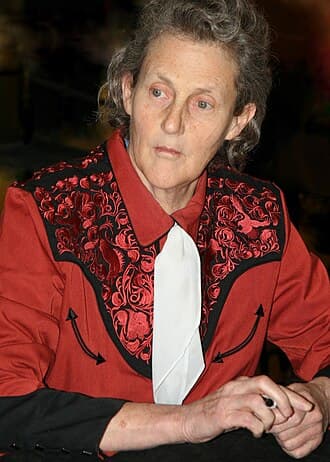
United States • Open about her autism diagnosis
Professor, inventor, and autism advocate
“I want to open doors for other people now.”
Her story highlights how mentors, high expectations, and work built around a real strength can open a meaningful adult life.

Sweden • Open about being autistic
Climate activist
“Being different is a superpower.”
Her public story points to the power of purpose, focus, and being taken seriously instead of being talked around.
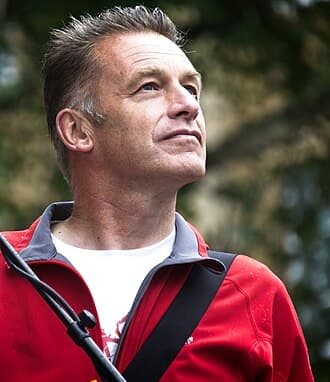
United Kingdom • Open about being autistic
Broadcaster, naturalist, and author
“We are not broken.”
A later diagnosis and a life shaped around nature, truth, and advocacy changed how he understood himself and how others could understand autism.
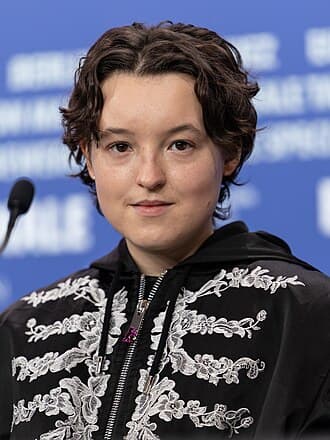
United Kingdom • Open about being autistic
Actor
“There's no reason for people not to know.”
Their story shows how recognition, assessment, and self-compassion can make everyday life and creative work feel more understandable.
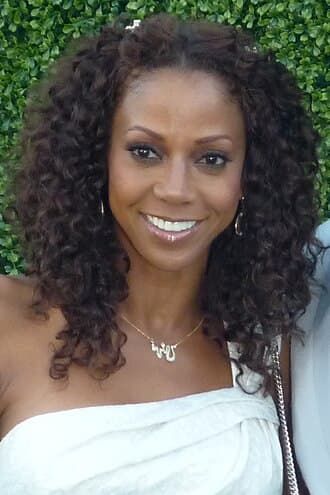
United States • Open about her son's diagnosis
Actor and parent advocate
“Autism does not destroy families.”
Her family's story points to advocacy, access to care, and inclusive work as part of what helps autistic children grow into adult life.